


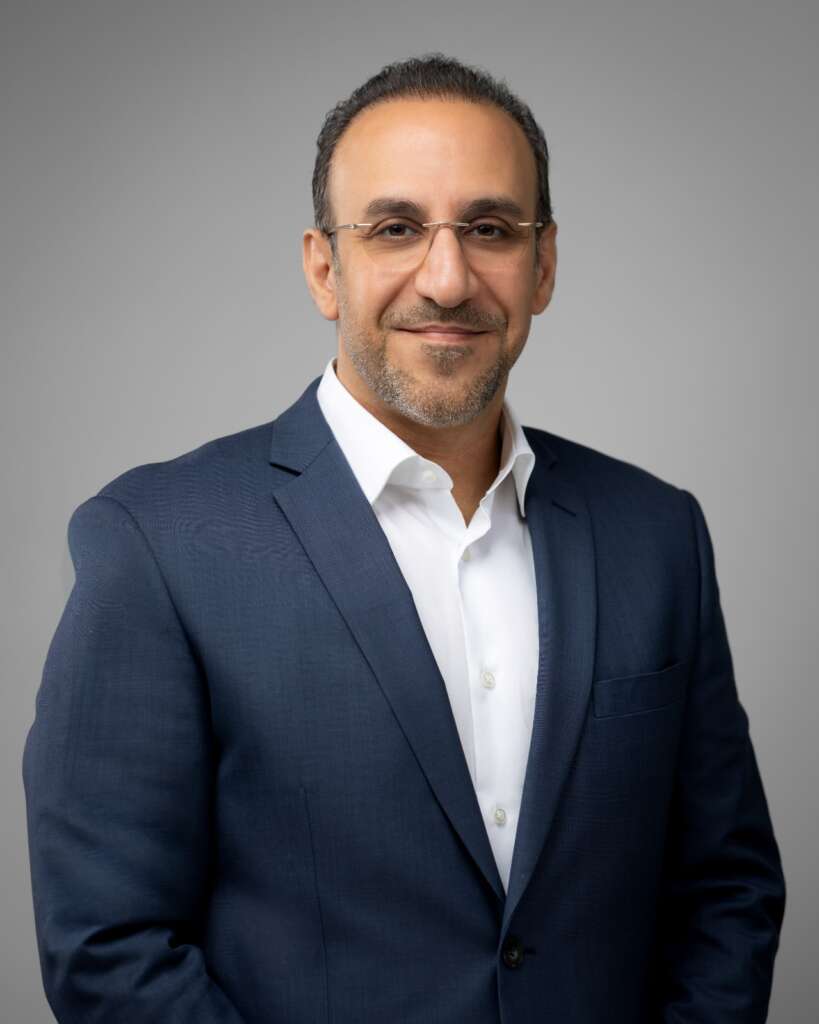
Development is booming in the UAE, but at what cost? Ali Said, CEO of Holcim, argues that ‘structural courage’ is the way forward, with stronger regulations and greater accountability across the industry.
The UAE is one of the most active construction markets in the world. Through my work, I have had the opportunity to be a part of many of the projects that are driving that growth and to speak with the people responsible for delivering them. It is hard not to be impressed by the scale, ambition, and pace of what is being built. I certainly am. But alongside that sense of pride, we cannot ignore that we are building at a speed our natural environment simply cannot sustain.
We are building at a pace that few countries in history have matched. Over 11,000 active projects. A construction market valued at approximately USD 41 billion. A skyline that looks different every year. I am proud to work inside that story. But I have also watched tens of thousands of tons of perfectly usable demolition material get trucked to landfill. Construction and demolition materials account for an estimated 70 to 75 percent of the country’s total solid waste. Our buildings consume close to 70 percent of our total energy. Globally, 39 percent of carbon emissions are tied directly to building and construction.
At some point, pride in what we are building has to make room for honesty about how we are building it.
The encouraging thing, and I say this because I have seen it on actual projects, not because it makes a good slide, is that the excuse of “sustainable costs more” has run out. Low-carbon cement is not a niche product being tested somewhere. It is in the ground right now, on major infrastructure projects across the Emirates, performing exactly as well as conventional alternatives. Demolition waste that used to go straight to landfill is being recovered, reprocessed, and used again as high-performance material. None of this is experimental. It works.
But it is still the exception. That is the honest problem.
What needs to change is not the technology; it is the decision-making.
Ali SaidWhat needs to change is not the technology; it is the decision-making. Developers need to write recycled content requirements into project specifications from the start, as a real procurement condition, not a box to tick later. Contractors need to include waste recovery plans in tenders, with someone actually accountable for them. And regulators need to go further than aspiration. Binding standards on embodied carbon in new construction would move the whole market, not just the corner of it occupied by companies that are already trying.
This is what I mean when I talk about structural courage. Not a conference theme. A decision.

We set out asking whether we are building the UAE’s future right, not just fast. The honest answer is that we have the means to do it right, and we are not yet doing it consistently. That gap will not close on its own. It closes when developers, contractors, and regulators decide that recycled content, recovery plans, and binding carbon standards are not extras to consider but conditions to meet. We have the materials. We have the knowledge. What we need now is the will to make it standard rather than exceptional.
