

Is climate finance actually reaching the people who need it most? Climate Finance Specialist Nely Fibriana Rachman thinks there’s a gap between what’s happening on the ground and climate funding. However, with monitoring, transparency, and active listening, Nely believes the solution already exists.
It starts on the ground.
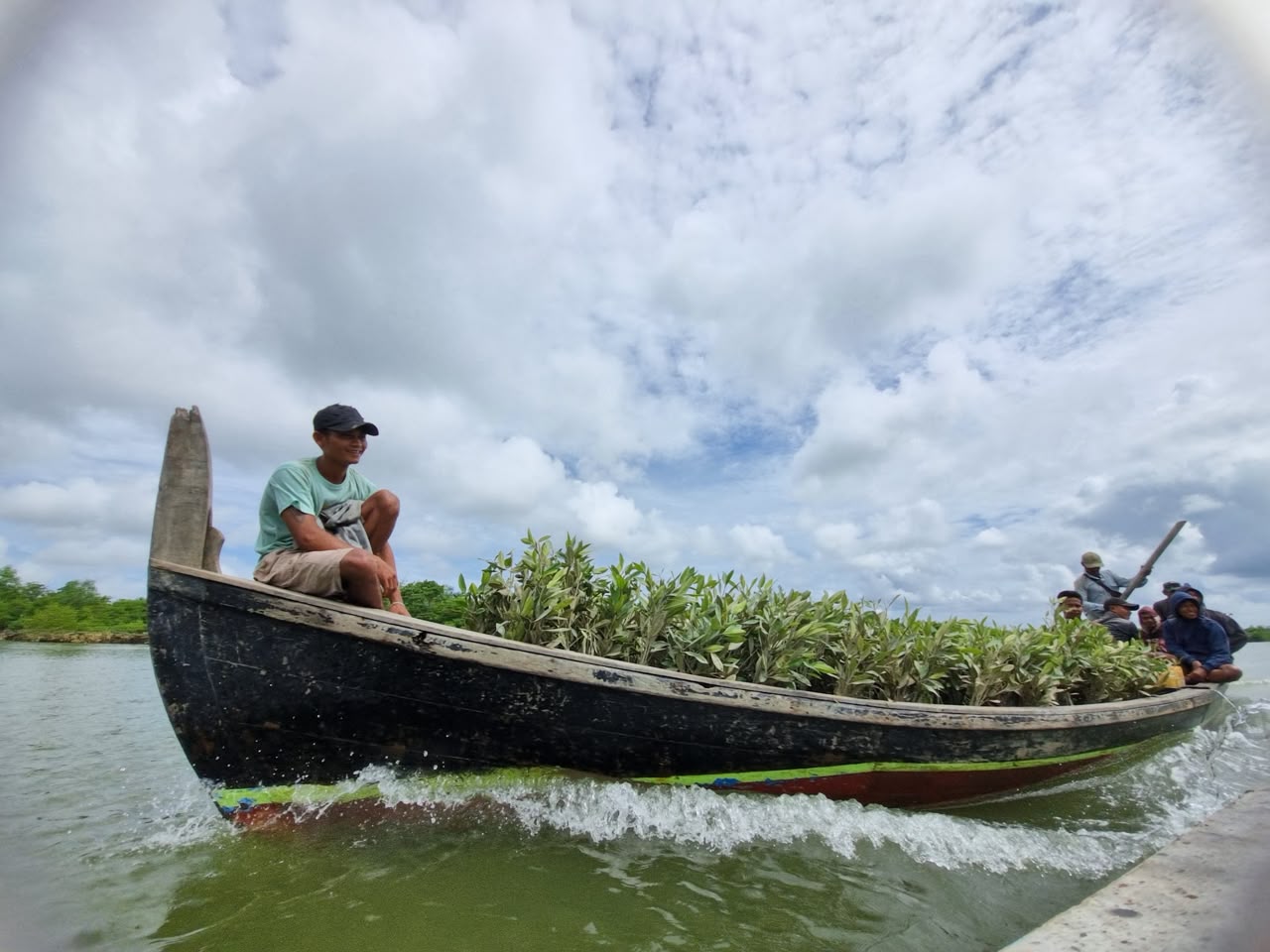
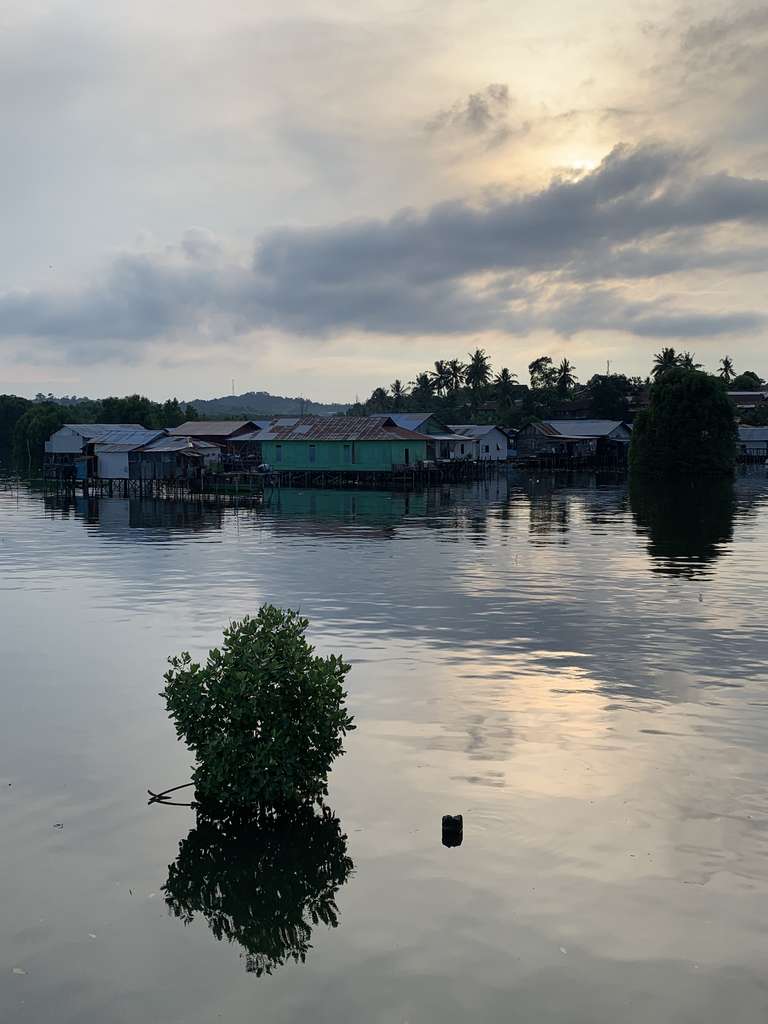
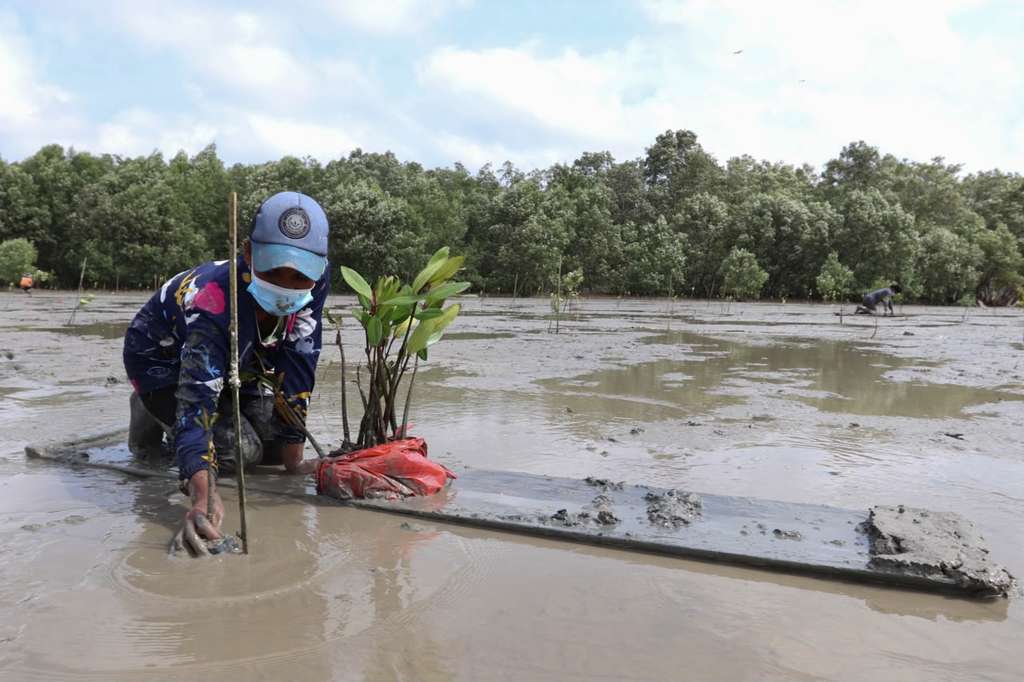
In 2021, when I became involved in a mangrove restoration program in Indonesia, I began to see the ecosystem differently. Mangroves are not just trees standing between the sea and the land; they are a belt of natural infrastructure and a lifeline of biodiversity and communities across Indonesia.
When mangroves disappear, the impact is felt at the household level.
As I traveled to coastal areas across Indonesia, I encountered very different realities. In one place, mangroves had been cut down for charcoal because that was how people made a living. Elsewhere, I saw dry, abandoned shrimp ponds left behind after the land was no longer productive. The solution may sound simple: just replant the mangroves. However, once you step into the mud, it becomes clear – we cannot restore the trees and protect biodiversity by pushing out the people who live around them. Restoration needs stronger standards to attract impactful investment, while ensuring that local communities remain part of the solution.
Seeing these realities made me look at conservation differently. Over five years, my work took me from peatland and mangrove restoration across nine provinces to developing climate finance projects at the Indonesian Environment Fund. Moving between these roles gave me a chance to see climate work from different sides. I started to understand, little by little, how project implementation, development, and financing are connected.

The restoration work revealed how coastal communities use mangrove resources. In some instances, communities artificially transformed mangrove areas into shrimp farms to generate income. Simply telling them to give up and turn the farm back into forests does not address the economic motivation behind such transformation.
I began to see the link between restoration and climate finance. How a project is designed, who it involves, and how well it reflects on-the-ground realities often determines whether financing actually works.
I believe climate finance can be part of the solution when it follows these two crucial steps:
- Building capacity and providing support are crucial to ensure that funds actually reach the projects where they can be most effective.
- It requires a deep understanding of the ecological aspects of the landscape, as well as listening to and learning from local communities about how climate finance can improve their situation.
Learning from the Communities
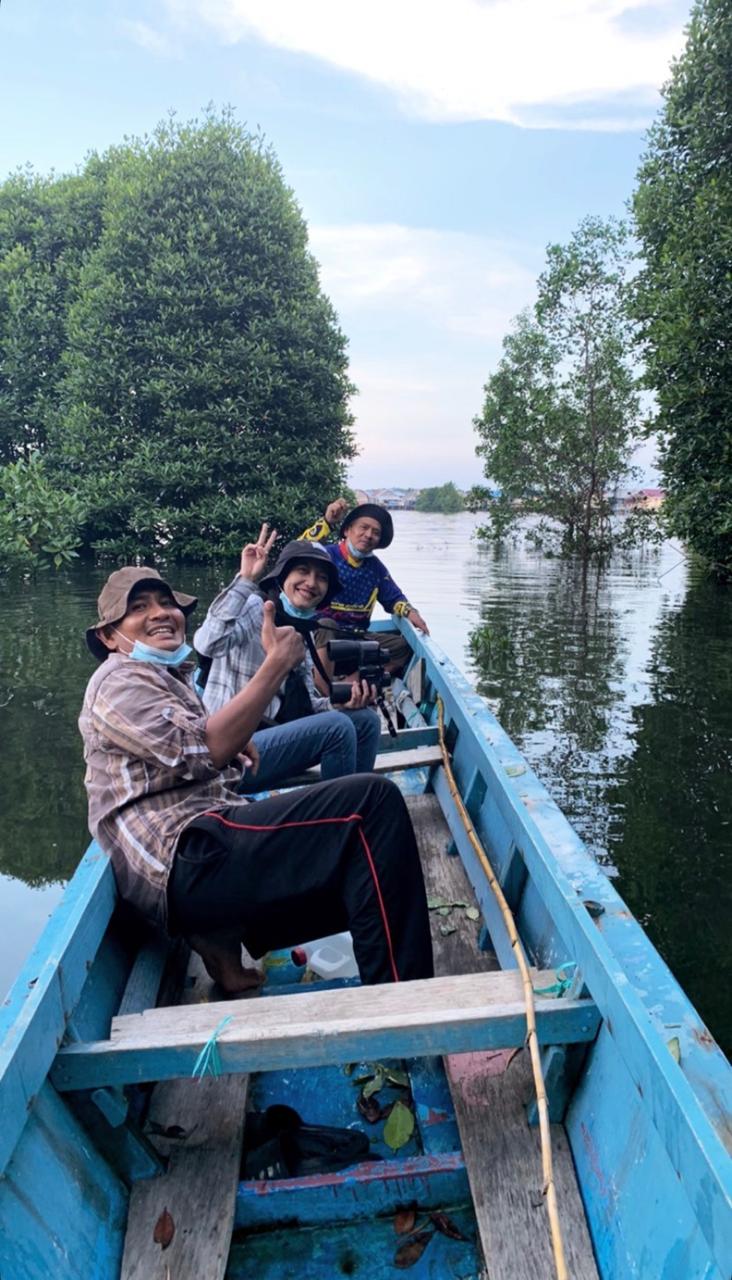
From field experience, I can say that conservation activities can be learned from the traditional ecological knowledge of the communities who have been the custodians of these areas. In Indonesia, these communities have their own culture and natural resource management system. One such case is Hutan Perempuan in Youtefa Bay, Papua. The Enggros local community does not view the mangroves merely as a source of resource collection. They are part of a system of rules, cultural values, and social spaces passed down through generations. This local knowledge is not only something to preserve; it can also help design and deliver projects that create lasting impact.
The area also plays a role in the social and cultural lives of women in the community. I have heard it shared when communities present their knowledge at climate events in Indonesia: for them, the forest is like a mother. She cares, protects, and feeds. Experiences like this have made me wonder whether we sometimes arrive assuming that conservation solutions have to come from elsewhere. In many places, the foundation for impact is already there. The question is how projects and climate finance can recognize, strengthen, and work with these existing systems.
What communities often need is secure access rights, a meaningful role in monitoring, transparency around how resources and benefits are managed, and, of course, access to finance.
What communities often need is secure access rights, a meaningful role in monitoring, transparency around how resources and benefits are managed, and, of course, access to finance.
Nely Fibriana RachmanClimate Finance Does Not Automatically Reach the Ground
From what I have seen, the problem is not simply a lack of money.
There are gaps between available capital and the communities that need it. Are local communities ready to manage the funds? Can they meet the reporting and administrative requirements? Do communities have capacity to apply for funding in the first place?
There is no shortage of financing options: public funds, private funds, green and blue bonds, international grants, and different forms of blended finance exist. However, having these options does not mean that a community in a remote coastal village can actually access them.
Funders and Investors want certainty. They want to know their money is going into well-managed projects capable of delivering results. The communities that need funding the most are often the ones with the least capacity to navigate the requirements attached to that funding. I remember working with a team to design a project that would help communities develop social forestry enterprises. The hardest part was not teaching communities to conserve the forest; they already understood that. The real challenge was helping them access financial sources and strengthening existing businesses while keeping the trees standing.
We built the project around their needs, including ways to connect communities with markets, private sector partners, and potential sources of public and private finance. That experience made me realize how difficult it can be to move funding.
Money alone does not solve the problem: Communities also need support to manage their forest, good governance, strengthen their businesses, find markets, and eventually access other sources of finance on their own. Without these pieces, even a large international grant can struggle to create something that lasts beyond the project period. This is where we began exploring blended finance initiatives.
The project is still ongoing, so it is too early to measure its long-term impact. However, what became apparent in the process was something that I had noticed in the field previously: financing works best when project planning begins with an awareness of the realities on the ground.

We often talk about mobilizing billions of dollars for climate action, for example. But beyond the amount of capital that can be raised, there is another question: are local communities actually ready to receive it? For me, mobilizing capital is the beginning. Climate finance becomes meaningful when it reaches the places where climate impacts are already being felt. That requires more than putting money on the table. It requires understanding what is already happening on the ground, what communities are trying to build, and what kind of support will allow those efforts to last.
In the end, financing nature also means financing the people for coastal resilience. They may need a hand to get started, but the goal should ensure they have the means to keep protecting the places they call home.
