


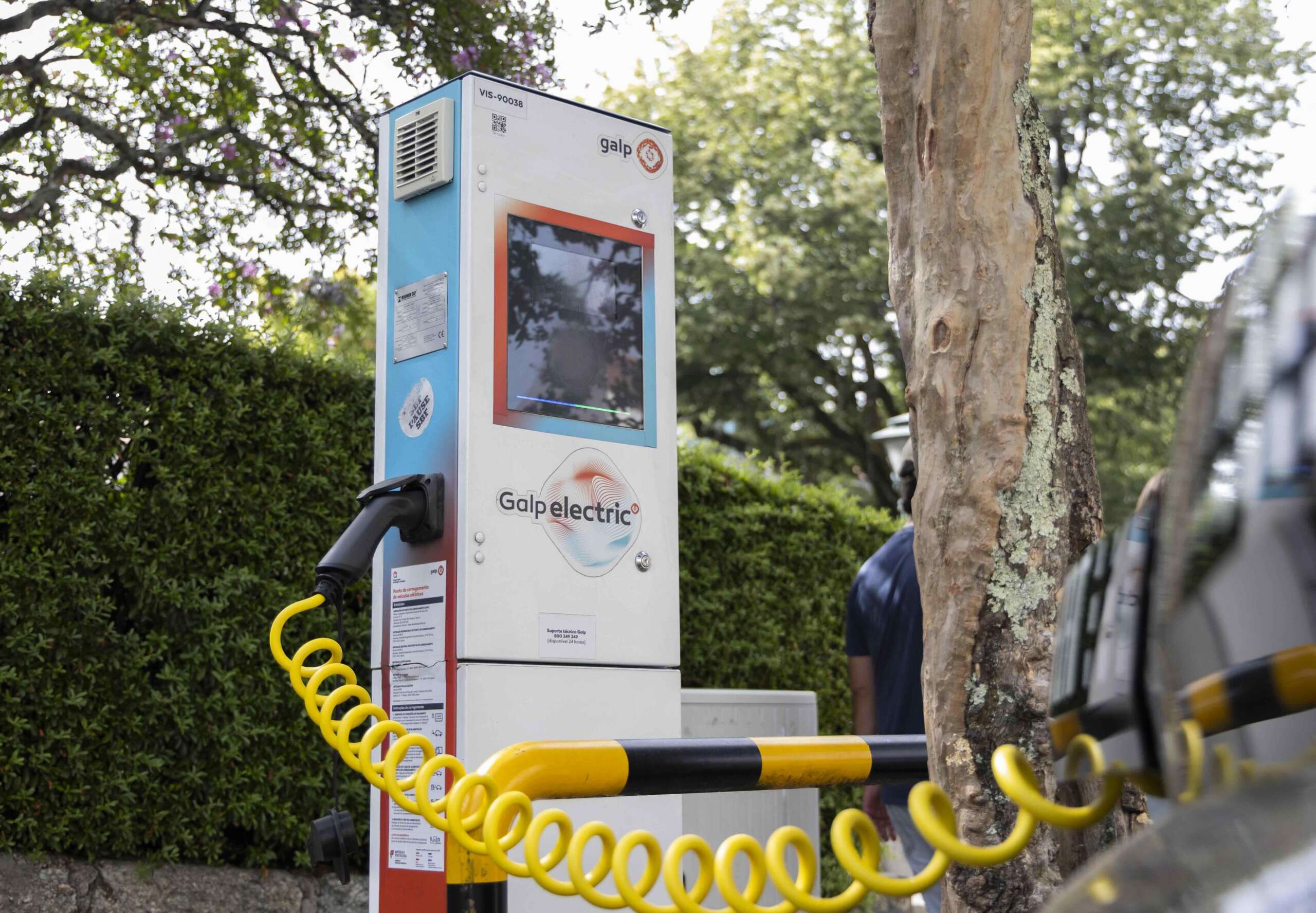
From Lisbon’s historic alleys to the winding vineyards of the Douro Valley, exploring Portugal’s rich landscapes in an electric vehicle is easier than anyone (even the locals) expects.
Portugal’s N222 is often rated one of the most scenic roads in Europe.
Game point to the travel writers.
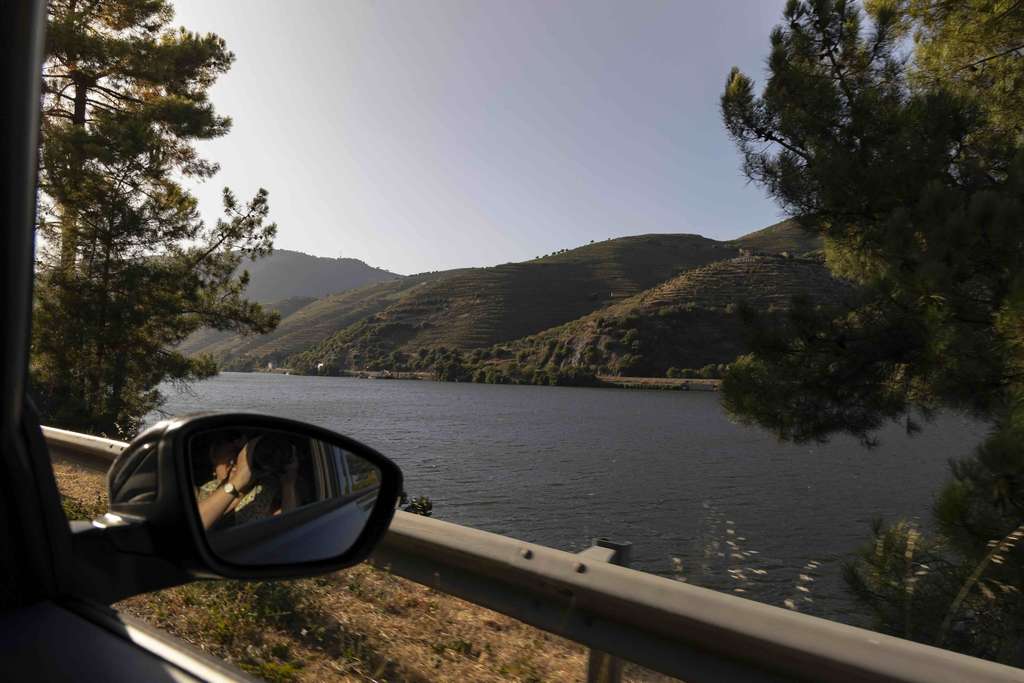
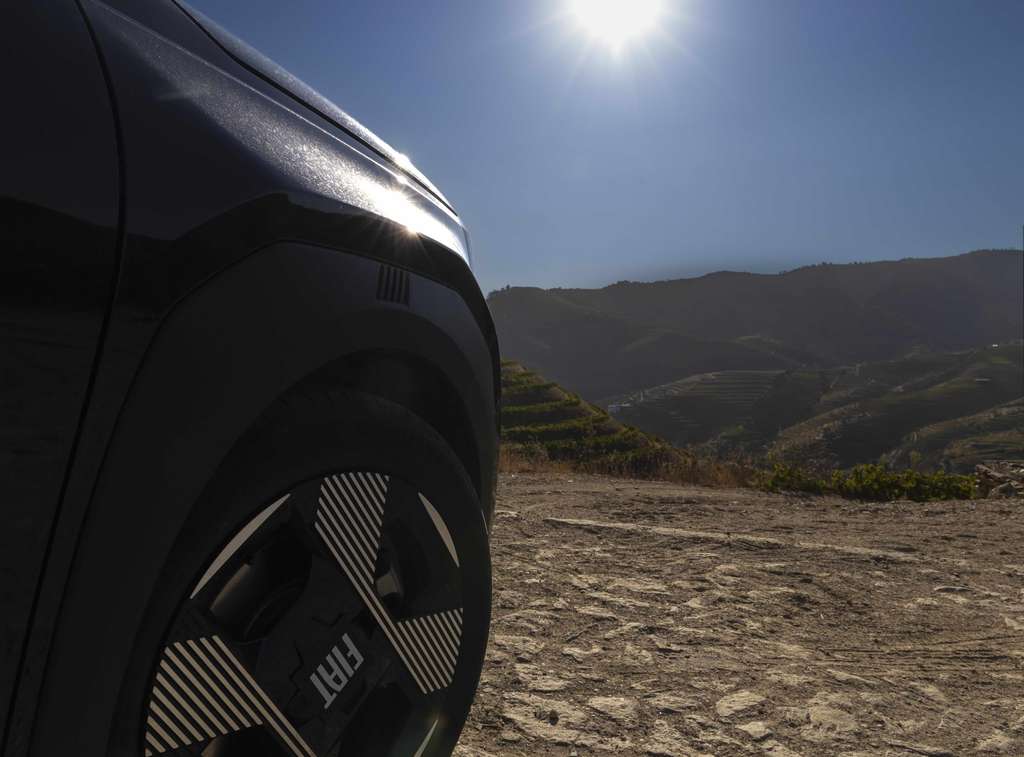
Ahead of us, the road wound across the Douro Valley, the river on one side, steep mountainside and green vineyards on the other. Running parallel to the terraced hillsides of the Douro River, the stretch from Peso da Régua to Pinhão offered stunning views, as did much of the landscape on our two-week trip around Northern Portugal. We explored the country’s dinosaur-fossil-bearing coastal plains and mammoth waves, sun-dappled vineyards, and elegant forests.
And we did it all with an EV.
Armed with EV-battery navigation apps, this August we set off from Lisbon to see how seamless eco-friendly travel across Portugal could truly be.
Electrifying the Portuguese Highway
When planning a road trip through Portugal, most travelers reach for a standard car: no one wants to be stuck on an unfamiliar highway with a dead battery. Instead, we decided to embark on a 1,200-kilometer journey behind the wheel of an all-electric Fiat Grande Panda. Starting in the heart of Lisbon, our route took us north toward the Spanish border before ending in the storied city of port wine, Porto.
One of the central questions of any long-distance EV trip is accessibility.
In larger cities, it seems obvious that, of course, EV charging stations would be everywhere. Range anxiety? Surely not! (Range anxiety, for the uninitiated, is a creeping feeling of impending doom EV drivers get as they slowly watch the battery charge trickle down.) Out in the countryside, however, there’s a worry that EV charging stations will be few and far between.
However, this wasn’t the situation at all.
And this is the whole crux of the issue: we know electric vehicles produce fewer emissions and are better for the health of our planet.
Rather, finding chargers was surprisingly effortless, even when straying far from major highways into small towns and rural villages. Not only did many gas stations have excellent recharging facilities (some even had banks of 10-12 charging points at a variety of speeds), but supermarket chains were exceptionally reliable locations. Pingo Doce, Aldi, and Lidl frequently featured fast charging stations, allowing us to top up the battery while grabbing groceries for the next leg of our trip.
The system was not completely without nuances, let’s say. Certain supermarket chains, such as Continente and Worten, operate exclusive charging networks that require membership cards. However, throughout the entire journey, we faced a queue for a charger exactly once, and the only location we couldn’t find a charger was the incredibly small village of Pinhão (where even finding a parking spot was difficult).
It also has to be said that our trusty Fiat Grande Panda had a fairly small battery, only 44kWh with a range of around 300km on a full charge. There are other EVs with bigger batteries and longer range; BYD’s Denza Z9S, for instance, boasts an incredible 1,100 kilometers per charge: nearly the length of our entire trip.
With a bit of planning at the rental car office, it’s entirely possible to find a car that requires almost no charging at all on a long road trip.
Cruising the Iconic N22 and N222
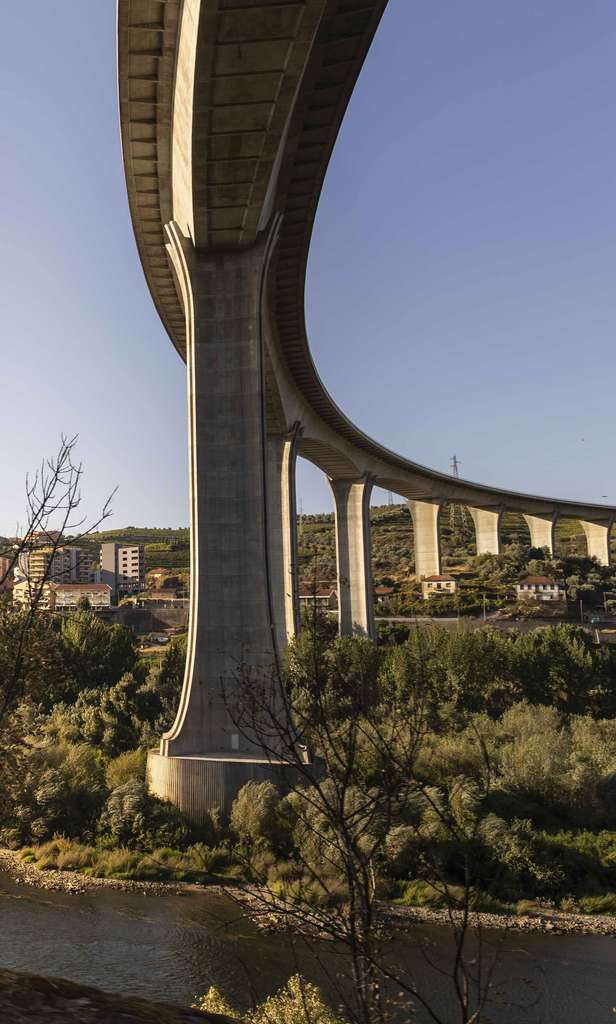
While Portugal is famous for the steep (oh so very steep) hills of Lisbon and the stunning southern beaches of the Algarve, our planned route would take us through the less-traveled landscapes of the north. We began with a drive toward the historic fortified town of Óbidos. Framed by ancient stone ramparts and cobblestone lanes, Óbidos is one of the most enchanting towns in Europe. Climb the crumbling walls surrounding the city, and you’re greeted with gently rolling green hills and fabulous sunsets.
However, first, we needed to complete our first charge.
And this is where there’s a bit of a learning curve. Which charging speed to choose, as each station features a different pace. What’s the appropriate plug to use? (Turns out there were three different options on our car, and we won’t talk about how long it took us to realize that.) And, most importantly, how does one get the charger to start?
Naturally, we figured it out within the first day or two (with some help from friendly local EV owners), but this is perhaps the one criticism we can offer of Portugal’s charging ecosystem: no consistency across user experience. Some chargers needed a specific membership card to operate, or charged a fee if used with certain apps (such as miio). Eventually, charging became second nature, and our 20-30 minute recharging stops every few days just one more part of the trip, but a smoother user experience would be helpful for the EV amateur.
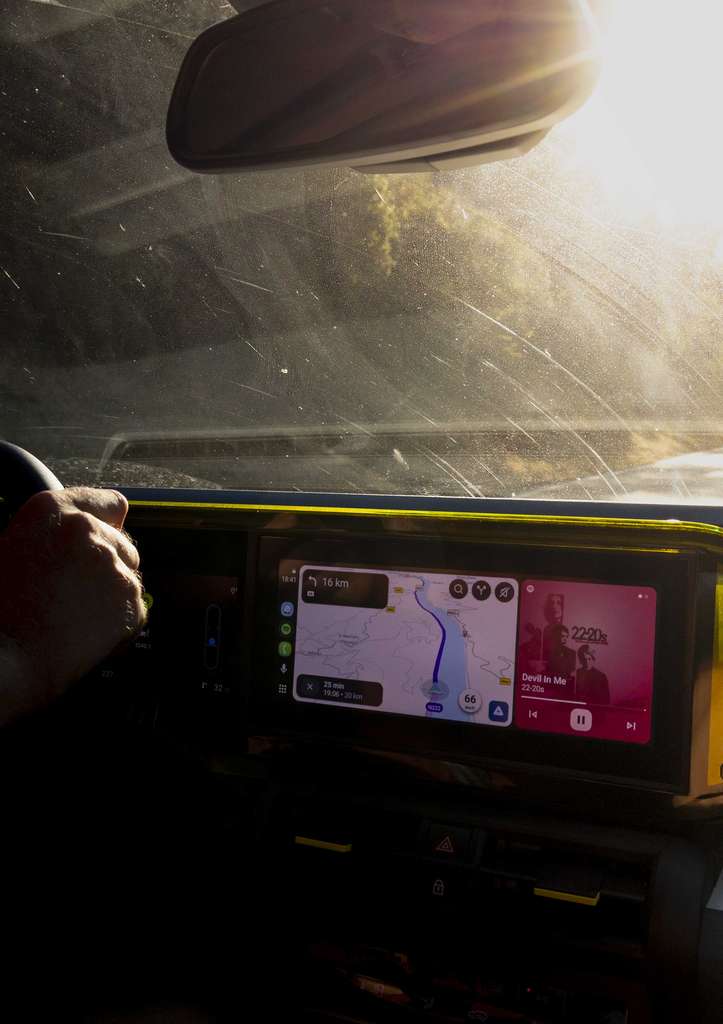
The miio app was our most used during this trip, interfacing seamlessly with Waze and Google Maps to provide directions directly to available plugs. However, miio adds a service transaction fee to each charging session, making it more expensive than overnight charging at a hotel or home. Additionally, users have to top up a digital wallet, making it tricky to withdraw remaining funds at the end of the trip.

A More Efficient Road
After the scenic vistas and cultural stops, it was time to calculate the cost. Across 1,155 kilometers, our total charging costs came to exactly 131.65 euros. Fast charging averaged roughly 45 euros per 300-kilometer leg, though our unfamiliarity with the charging system increased our spending at the start of the trip. By the time we reached Porto, however, we were better able to choose more budget-friendly high-speed charging ports.
In comparison, driving a small petrol SUV across the same mileage in Portugal would have cost roughly between 118 and 148 euros.
However, what did we save in emissions? Over 130 kgs of carbon emissions.
A standard gas car produces approximately 40 kg of CO2 emissions over 300 kilometers. In contrast, our compact Fiat Grande Panda generated around 9 kg of CO2. On clear, windy days, when Portugal’s national grid relied heavily on active solar and wind generation, our footprint dropped even lower, down to a mere 5 kg per 300 kilometers—a drastic reduction in our overall carbon impact.
And this is the whole crux of the issue: we know electric vehicles produce fewer emissions and are better for the health of our planet. No, they’re not perfect, and it’s important to be aware of current EV limitations; however, we walked away from our little Fiat Grande Panda delighted with our journey. We saved a bit of money, saved a lot of CO2, and, in the end, had a wonderful experience.
Saving the View
Throughout our stops, locals and tourists alike were often surprised to learn how far we intended to travel in an electric car, illustrating the mythical persistence that long-distance road trips are too difficult in an EV.
Well, it’s time to banish that myth. Charging ports were accessible, cheaper than petrol, and ultimately, our range anxiety was no more than an occasional qualm. Portugal has quietly constructed one of Western Europe’s most interconnected charging networks.
And really, those views on the N222 deserve a future. The best way to preserve it? Lower emissions.
