

Malaak Al Lawati is bringing the wilds of Oman into the hands of its people. Founder of Nature Lab, Malaak, and her team of volunteers have created a ‘youth teaching youth’ model designed to help young people realize just how unique their country’s biodiversity really is.
This is part one of our ongoing series with Nature Lab. In the coming months, read dispatches from the field as Nature Lab team members share conservation opinion pieces on Oman’s incredible ecosystems.
Malaak Al Lawati wants more people to understand the wildness of Oman.
When you think of the Middle East, golden sand dunes stretching to the horizon might come to mind, and camels and sand vipers might feel most familiar in a region defined by its deserts.
But Oman defies this classification. The third-largest country on the Arabian Peninsula, Oman is home to mountain ranges that snow in winter, tropical-like climates such as Salalah (which become verdant landscapes during the monsoon months), and, of course, stunning coastal and marine ecosystems.
A marine biologist, 23-year-old Malaak founded Nature Lab, and she’s here to help Omanis (and anyone interested in Oman) understand this incredible habitat.
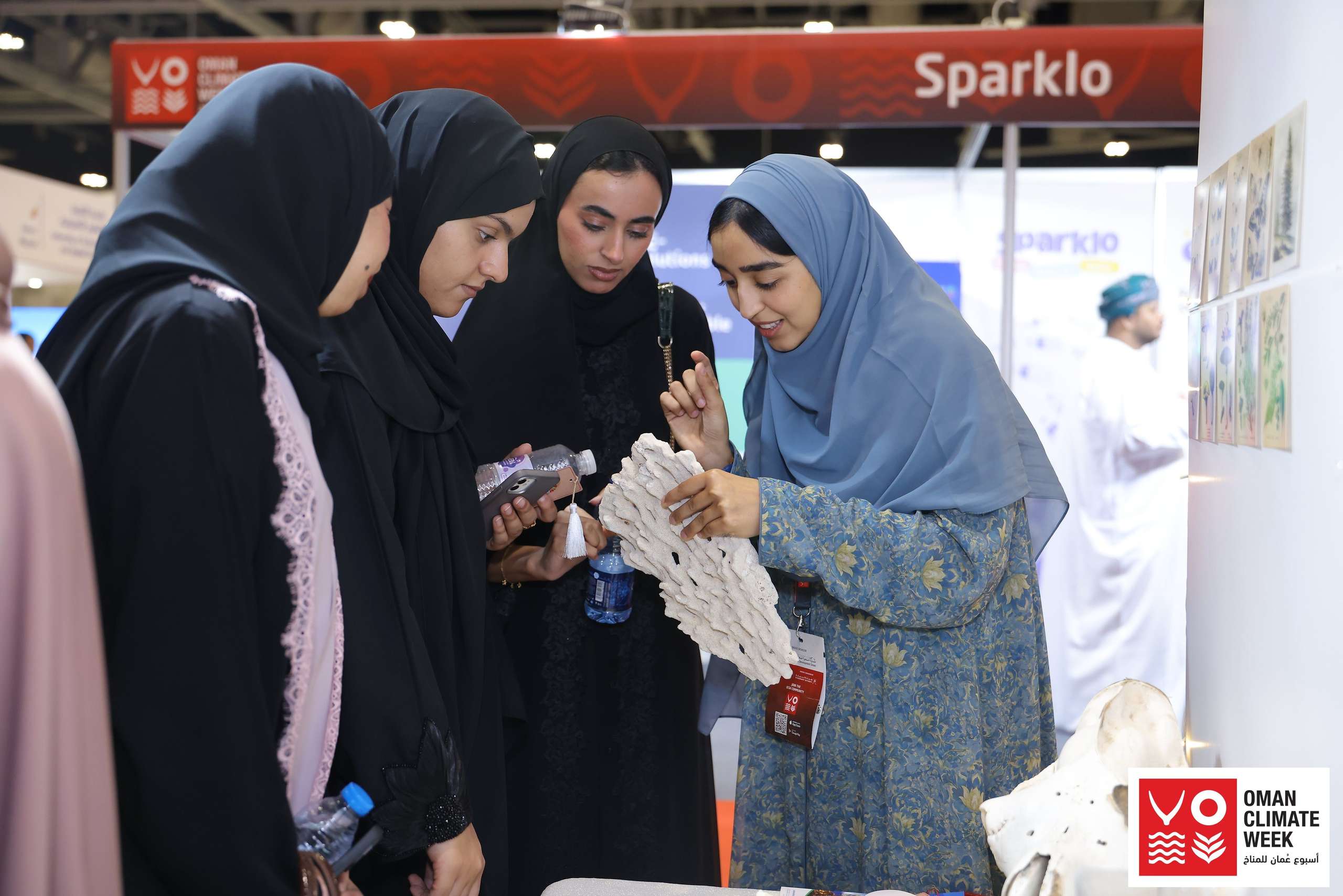
Nature Lab is a volunteer-based youth initiative that creates Arabic social media videos about Omani animals and ecosystems, conducts hands-on public engagement at schools and universities, and acts as a communication bridge between the community and policy-makers.
With a core team of six individuals and a diverse volunteer community, featuring participants of all ages, from high school students to seniors, they’re fostering a “youth teaching youth” model.
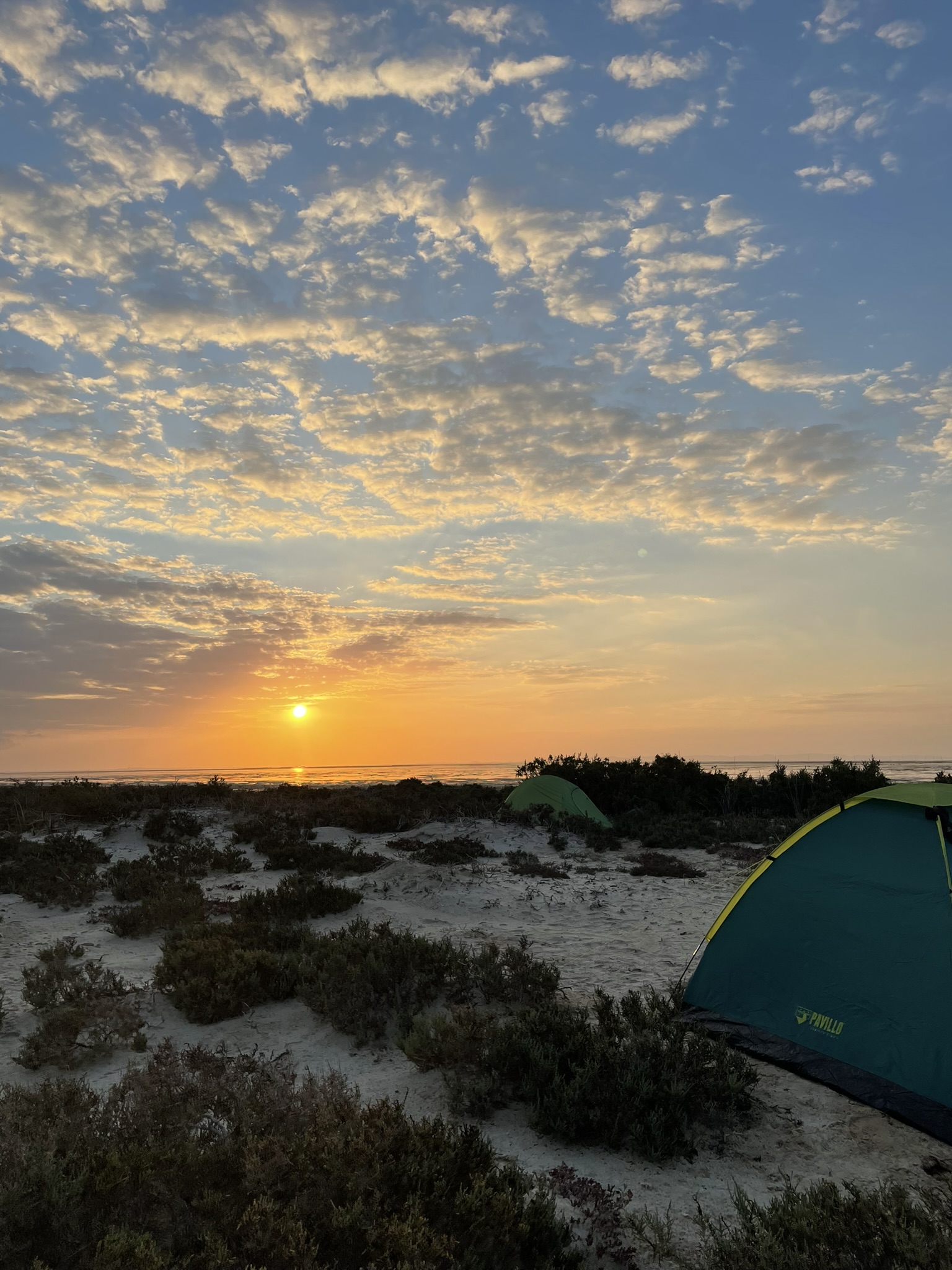
Malaak attended university in the United Kingdom, and when she returned to Oman, she assisted a migratory bird count with the Wetlands International team at Bar Al Hikman. Ten days spent in a tent at this stunning coastal landscape changed Malaak’s perception of her own country. “I didn’t believe that I was in Oman. I always thought Africa was the wildest of places, or Australia. I never thought that Oman was a wild place. But when I was there at Bar Al Hikman, it really dawned on me just how diverse Oman is,” she says.
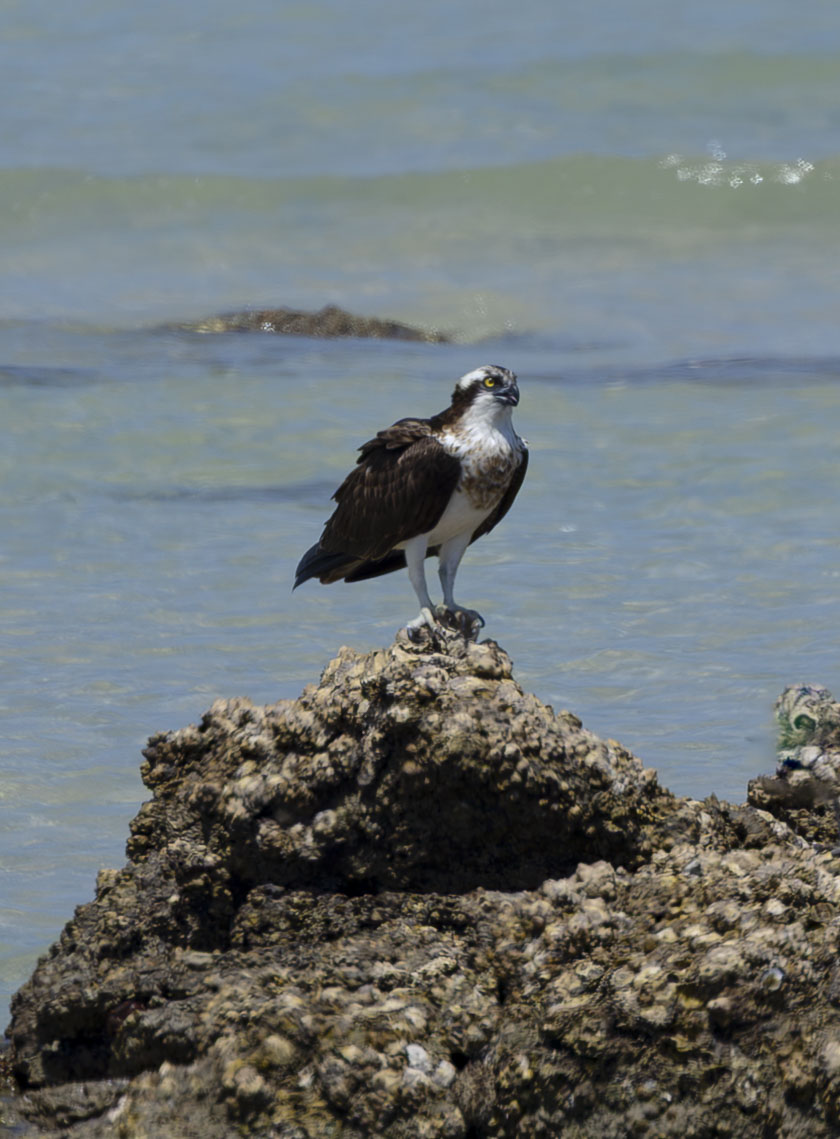
“Waking up in the morning, we could hear the sounds of the birds as they moved from their roosting sites to the mudflats, flying over our tents. It’s a loud noise, you know; you can feel it as well. But a lot of Omanis and a lot of people like me have never experienced that before.” Locations such as Bar Al Hikman are key biodiversity hotspots and host half a million migratory birds each year. However, many aren’t aware of the threats facing these crucial ecosystems, such as coastal development and pollution (much of it due to unregulated tourism). Raising awareness for issues like these and starting a dialogue about their preservation is one of the reasons Malaak founded Nature Lab.
And when we engage with these communities, and we see that excitement, we see that curiosity, the wanting to know more and do better. It gives us hope to keep on doing what we’re doing.
Malaak Al LawatiOman is a large country, and though many of its population live in smaller villages throughout the countryside, it’s a nation still deeply tied to its heritage. For the most part, Nature Lab operates in the capital city of Muscat, but even there, in the center of the city, there’s an excitement when Nature Lab brings in familiar insects and wildlife. “When we start talking about a specific bird, they’re like, oh yeah, I’ve noticed this, I’ve seen this insect, I’ve seen this animal. But then it kind of stops there because there is no one sort of directing that curiosity or into a place. And so when we are engaging with these communities and different age groups, they’re always very excited because they’re like, ah, finally someone is explaining this to us and actually making it make sense in a way.”
“And when we engage with these communities, and we see that excitement, we see that curiosity, the wanting to know more and do better,” she says, “it gives us hope to keep on doing what we’re doing.”

There’s a gap in communication, Malaak argues, which is why she’s positioning Nature Lab as a bridge between the government, residents, and the scientific community. The overly technical work from companies or governments often gets lost in translation, leaving residents without access to clear information about upcoming policies or the latest findings. Malaak and her team intend to bridge that gap and put information back into the hands of those most affected.
“If Oman is trying to change into something more sustainable, that’s focused on protecting the natural environments, we need to make sure this is happening at a bottom-up scale as well and that communities are educated and feel connected to these environments. Otherwise, people are just not going to understand what the point of protecting this is,” she explains.
“We need to make it clear that humans exist as part of nature.”
Malaak has big dreams for Nature Lab: branches in other countries, internships and educational opportunities, and of course, as a scientist, she wants to see more research in the region and in Oman. Located on the West-Asia East Africa Flyway (yes, a real thing), the country is an important stop for migratory birds traveling between Europe, Asia, and Africa. In fact, Oman is home to 50 (FIFTY!) of the world’s remaining Arabian Leopards, a species listed as critically endangered by the IUCN Red List. Masirah, a small island off the coast, boasts over 30,000 Loggerhead sea turtles (with additional species also using it as a prime nesting location).
The need to preserve these incredible habitats cannot be overstated.
And yet, despite its significance as a biodiversity hotspot and its substantial marine ecosystem, there is still much work to be done identifying and cataloguing scientific data. But Malaak believes that for a people still tied to their local heritage, education, curiosity, and a sense of pride in their local wildlife populations can create remarkable change.
Malaak likes to bring it back to Jane Goodall when she thinks about what Nature Lab could bring to her fellow Omanis. “I’m going to paraphrase,” she says, “but you’re going to have an impact whether you like it or not, every single day. So you choose what that impact is going to be, and that makes it less overwhelming.”
“And it makes me think of my community and my own backyard and what change I can make here, because it all starts that way.”
“Before you know it, it’s bigger than you think.”
