


As climate disasters mount, Indigenous advocates are pushing governments to follow through on commitments made at previous global climate summits. This story was originally published by Grist. Sign up for Grist’s weekly newsletter here.
The annual United Nations Framework Convention on Climate Change gathering drew historic levels of Indigenous attendance in Belém, Brazil, last year, leading some to dub it “the Indigenous COP.” But the event was marked by frustration and protest, with many Indigenous leaders calling it little more than a continuation of a longstanding pattern of exclusion from international negotiations.
This year’s gathering in Antalya, Turkey, is billed as an “implementation” conference focused less on sweeping new pledges than on the procedural work of turning previous agreements into action. For Indigenous advocates, that makes COP31, which started November 9, a test of whether the promises made last year translate into tangible changes, including greater authority over climate action.
“It is still a struggle,” said Edward Porokwa, who is Maasai and a member of the United Nations Permanent Forum on Indigenous Issues. “I’m yet to really determine whether there will be any more progress that is made in terms of realization of the rights of Indigenous people.”
Indigenous advocates are pressing governments to follow through on their commitments to secure and strengthen Indigenous land rights on 400 million acres in tropical forest countries, provide $1.8 billion in funding, and respect rights to free, prior, and informed consent in the energy transition.
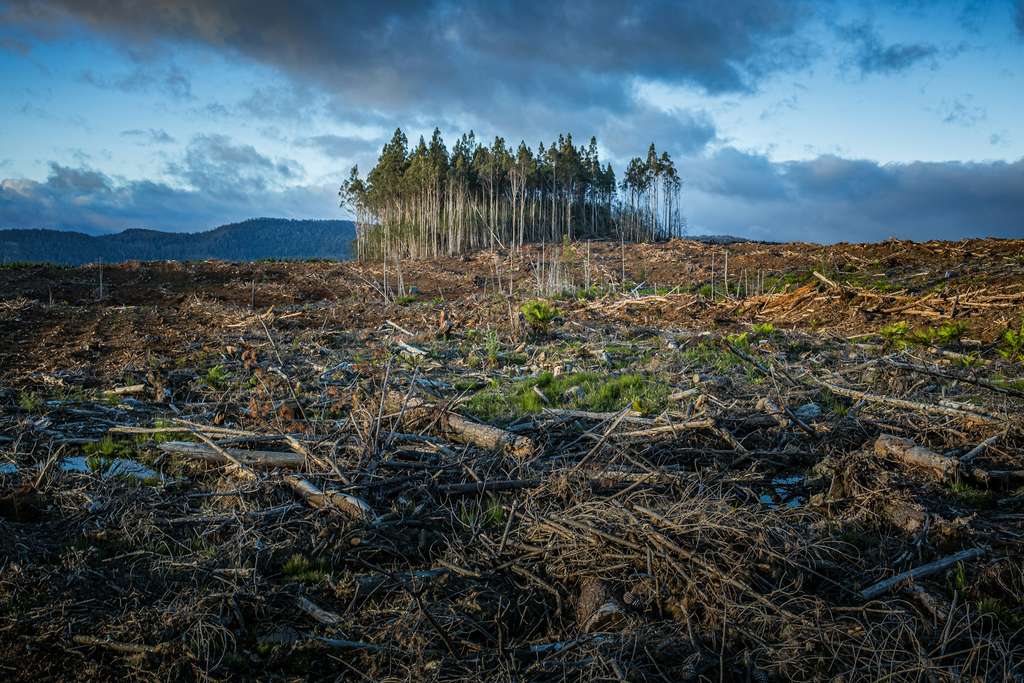
Despite those pledges, funds have been slow to reach affected communities, and Indigenous land defenders say their rights and lives remain under constant threat. Porokwa said that he feels that responsibility to address climate change continues to fall on smaller countries and Indigenous peoples.
The stakes have been particularly stark over the last year. In Nepal, massive floods and landslides in August killed more than 1,500 people and destroyed entire villages. In Canada, a historic wildfire season saw millions of acres burned, causing thousands of evacuations. And in Indonesia, wildfire smoke alone has caused thousands of deaths and led to school closures and other emergency measures across Southeast Asia.
“The recent large-scale mountainside collapse on the border of Nepal and Tibet should serve as a wake-up call to the global community,” said Biswash Chepang, who is a founder of the Institute for Indigenous Affairs and Development in Nepal.
Climate-driven threats to Indigenous peoples and their lands continue to mount as a historically powerful El Niño threatens to drive famine, heat-related deaths, and other catastrophes across the globe.
The conference comes in the wake of a recent United Nations report that said it will be virtually impossible to limit global warming to 1.5 degrees, the goal set under the landmark 2015 Paris Agreement. Indigenous delegates find that reality particularly frustrating because they see it as a direct result of decision makers ignoring their knowledge and all the ways their stewardship has been proven to benefit the environment and climate.
“For over 30 years we have brought Indigenous knowledges and sciences to these negotiations,” Māori activist Quack Pirihi said in an opening statement on behalf of the International Indigenous Peoples Forum on Climate Change. “Yet emissions continue to rise, putting 1.5 degrees C beyond reach.”
Now I think it is not time only to talk about the commitment. It is time to change the commitment into practice.
Edward PorokwaWhile the work of reducing emissions and protecting Indigenous rights in the energy transition continues, securing funding for nations and communities most impacted by climate disasters is also a priority. In October, the Fund for Responding to Loss and Damage approved $21.6 million for Nepal — its first disbursement and less than 1 percent of the nearly $5 billion in damage the country sustained. But the process to receive and administer those funds is ongoing, and Indigenous leaders say the fund must work faster. Their push comes as wealthy countries face renewed scrutiny over climate-finance pledges they have failed to deliver.
“Loss and damage is not simply a question of humanitarian assistance,” Chepang said. “It is also a question of climate responsibility, historical emissions, equity, and the right of affected communities to recover with dignity.”
Indigenous peoples also hope to hold polluters to account. Bianca Ranson, who is Māori and a board member of the Aotearoa Climate Action Network, is attending COP31 in part to highlight the landmark climate case her father Mike Smith led against major emitters in New Zealand. The case, which uses Māori customary law, has been blocked by the national government.
Despite the logistical, financial, and political hurdles of attending an event like COP, Ranson said there is value in global spaces. “I think that with the geopolitical moment that we’re in, with the rise of the far right and fascism and war, and the struggles that Indigenous peoples are facing across the globe, it’s a really important place for us to be able to come together to connect, to strengthen our solidarity,” Ranson said.
As negotiations continue through November 20, Indigenous advocates will continue their push for all the discussions to lead to tangible actions. “Now I think it is not time only to talk about the commitment,” Porokwa said. “It is time to change the commitment into practice.”
This article originally appeared in Grist here. Grist is a nonprofit, independent media organization dedicated to reporting on climate change.
