


From the familiar sight of plastics on our beaches, the lens has turned inward: microplastics carrying cocktails of dangerous chemicals are polluting our bodies. And while reducing our exposure to microplastics can feel overwhelming, here’s how small fixes can help protect yourself and your loved ones.
It’s like something straight out of a horror movie – a contaminant that has polluted the entire world. From the deepest point of the ocean, the Mariana Trench, to the tallest mountain, the scourge of microplastics is everywhere.
These tiny pieces of plastic debris are less than 5 millimetres in length. An innocuous size that doesn’t seem like it should be a problem, right? However, from our organs to our brains, microplastics bring toxic chemicals into the body.
Our beaches might be littered with plastic, and now, so are we.
An estimated 10-40 million tonnes of microplastics enter the environment every year. So how do we opt out of this toxic experiment? And is it too late to even try?
It’s never too late.
Making better choices in our clothing, food, and water can go a long way to limiting our exposure to microplastics.
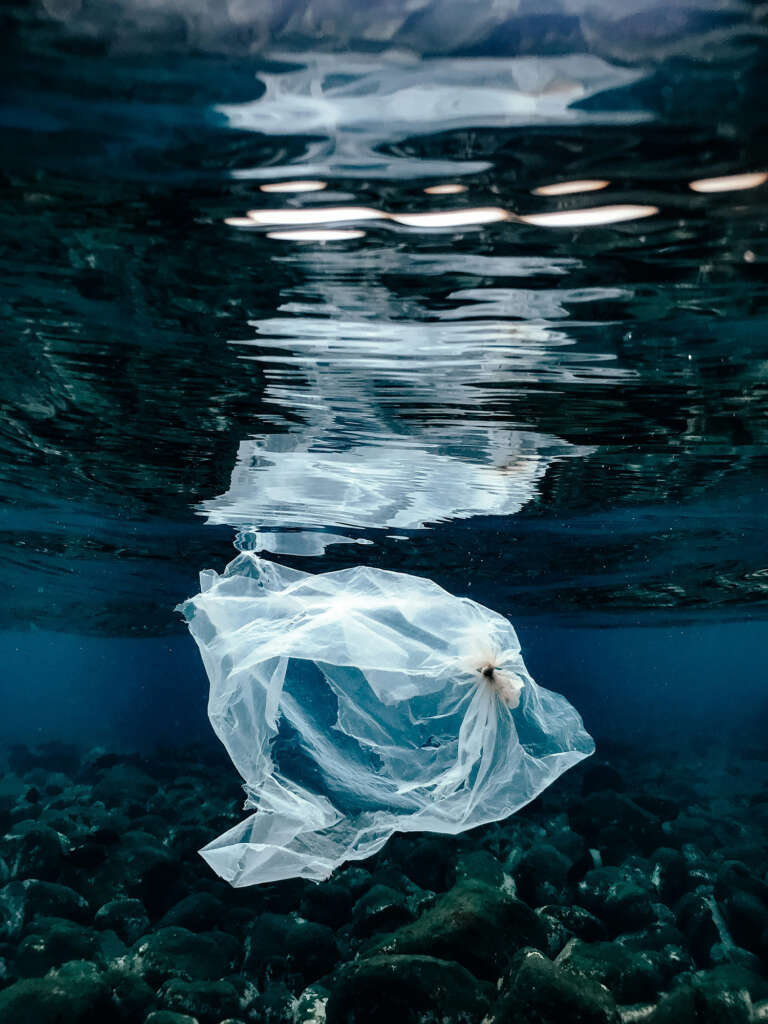

Bad News, or Good News, first?
We’ve all been enrolled in this experiment since even before our birth.
Microplastics form when plastic breaks down and disintegrates in the environment; for those living in hot climates, this is especially noxious since exposure to heat and sunlight exacerbates the process.
From 1.5 million tonnes in 1950 to a whopping 436 million metric tons in 2023, the amount of plastic production has ballooned around the world.
“There’s a famous quote – you eat one credit card [worth of plastic] a week. We probably eat a lot more, because in a litre of single-use plastic bottled water, you’ve got at least 10,000 microplastics, which is scary,” says Sami Khoreibi, co-founder and CEO of Wisewell, a water filtration company in the UAE that aims to provide plastic-free, safe drinking water at home.
Nanoplastics, measuring below one micrometre (one-thousandth of a millimetre), form when microplastics degrade even further. A 2024 study found that a single bottle of water can contain 240,000 pieces of plastic, and nearly 90% of these fragments were nanoplastics.
“The really scary part is these 240,000 nanoplastics can cross the blood-brain barrier, enter our bodies at the cellular level, and are now showing that they affect inflammation. It’s been too short a period to say that it’s the direct cause of everything. And that’s why we don’t have a surgeon general’s warning on a plastic water bottle just yet,” says Khoreibi.
“This is kind of like the earliest days of cigarettes, where the signals were abundantly clear, but the studies hadn’t yet caught up,” he warns.
There’s a famous quote – you eat one credit card [worth of plastic] a week. We probably eat a lot more, because in a litre of single-use plastic bottled water, you’ve got at least 10,000 microplastics.
Sami KhoreibiAn April 2026 study found that all human brains now have microplastics and nanoplastics, and that their levels are correlated with the presence of brain tumours.
And that plastic water bottle left sitting in your hot car for a few hours? Nanoplastic city.
The primary culprits here are industrial chemicals known as phthalates, bisphenols, and PFAs (or forever chemicals). The health effects of these minuscule plastics are huge; they can affect fertility rates, brain inflammation, and infant health (babies can have 10 to 20 times more microplastics compared to adults). Microplastics have even been found in placentas.
The danger here is that the true impact of microplastics and nanoplastics is still difficult to study and quantify, as they are associated with thousands of chemicals and are increasingly present across millions of species. Nanoplastics, for example, have been shown to even affect microbial activity, increasing the virulence and biofilm-creating potential of Salmonella.
It can be difficult to grasp how toxic chemicals that have the potential to do so much physical damage to our bodies have become so widespread in our environment and in the daily products we use.
As awareness increases and we become more informed, it feels overwhelming trying to switch from the convenience of plastic tupperware, bottles, and packaging, particularly when it seems that everything is dangerous nowadays. However, small shifts in consumption can make a huge difference to our exposure to these chemicals and our health.
The good news is that there are ways to keep our bodies from becoming a plastic dumping ground.
Now for the Good News
Plastic is ingrained in our daily lives.
It’s in the polyester fabrics of our clothing, packaging for personal care and makeup products, and daily kitchen items like Tupperware and bottled water. While advanced water treatment and material innovation are emerging, making a conscious choice to opt for alternative plastic-free materials when shopping can lower your exposure.
Across the UAE, you’ll find large, blue bottles of drinking water, stacked in the hallways of apartment buildings as they await pickup from the water company, or sitting outside houses filled with fresh water.
“We took a look at that and said, ‘Well, bottled water, for so many reasons, costs health. Globally, it is just not a sustainable path forward as the primary way of drinking water,” says Khoreibi. “Filtration is really the path forward.” Wisewell uses carbon filtration, reverse osmosis, and UV sterilisation to purify water, ensuring that toxic chemicals and microplastics stay out of customers’ drinking water.
Following a pioneering period as the founder of Enviromena, a solar energy company that has built various solar plants in the MENA region, Sami had stepped back from entrepreneurship. It was a conversation during a water filtration system repair at his home during the pandemic that sparked his interest and inspired the founding of Wisewell.
“Billions of people lack access to clean water despite it being available at a very low cost,” he says, explaining the ‘Litre for Litre’ program run by Wisewell. Every litre dispensed from their devices pledges an equal litre to those without clean water.
“Because of our tech, we can track in real time exactly how much is being consumed. We’ve built filtration systems in parts of the world where people lack access to clean water. We’ve now done over 26 million servings, and that’s compounding at a huge rate.”
Using a water filtration system also reduces the need for plastic bottles. “From a sustainability perspective, we have already diverted with our user base, around 17 million 500ml bottles from entering landfills and oceans in the UAE so far,” Khoreibi says.
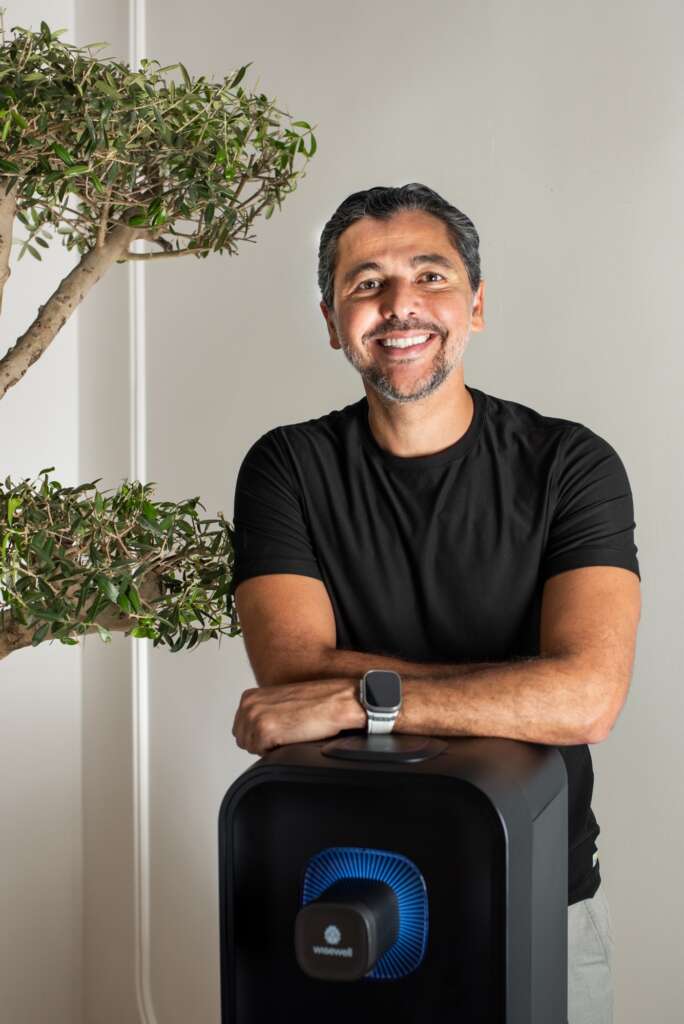
Making the Choice
As consumers, we have options.
Instead of single-use plastic items, reach instead for glass, steel, wood, or bamboo. Not only are these items usually healthier to have around our house, but washing and re-using items is less expensive and creates less waste.
When purchasing clothing, check out your local thrift store for quality natural fibres, such as linen or cotton. These beautiful textiles contain less plastic and tend to be cooler for warm weather. And amazing new alternatives to plastic packaging are emerging every day – from mycelium-grown boxes to seaweed-based plastics.
Better choices exist, allowing us to purchase products that are better for our health and our planet.
And on an even bigger scale, a World Plastics Treaty is currently under negotiation, an internationally legally binding instrument that would reduce plastic pollution. As global regulations ramp up, it’s crucial to redouble our efforts to reduce plastic use and find healthier, less harmful alternatives.
Instead of a world tainted by contaminants, we can envision a better future for ourselves and the next generations.
