


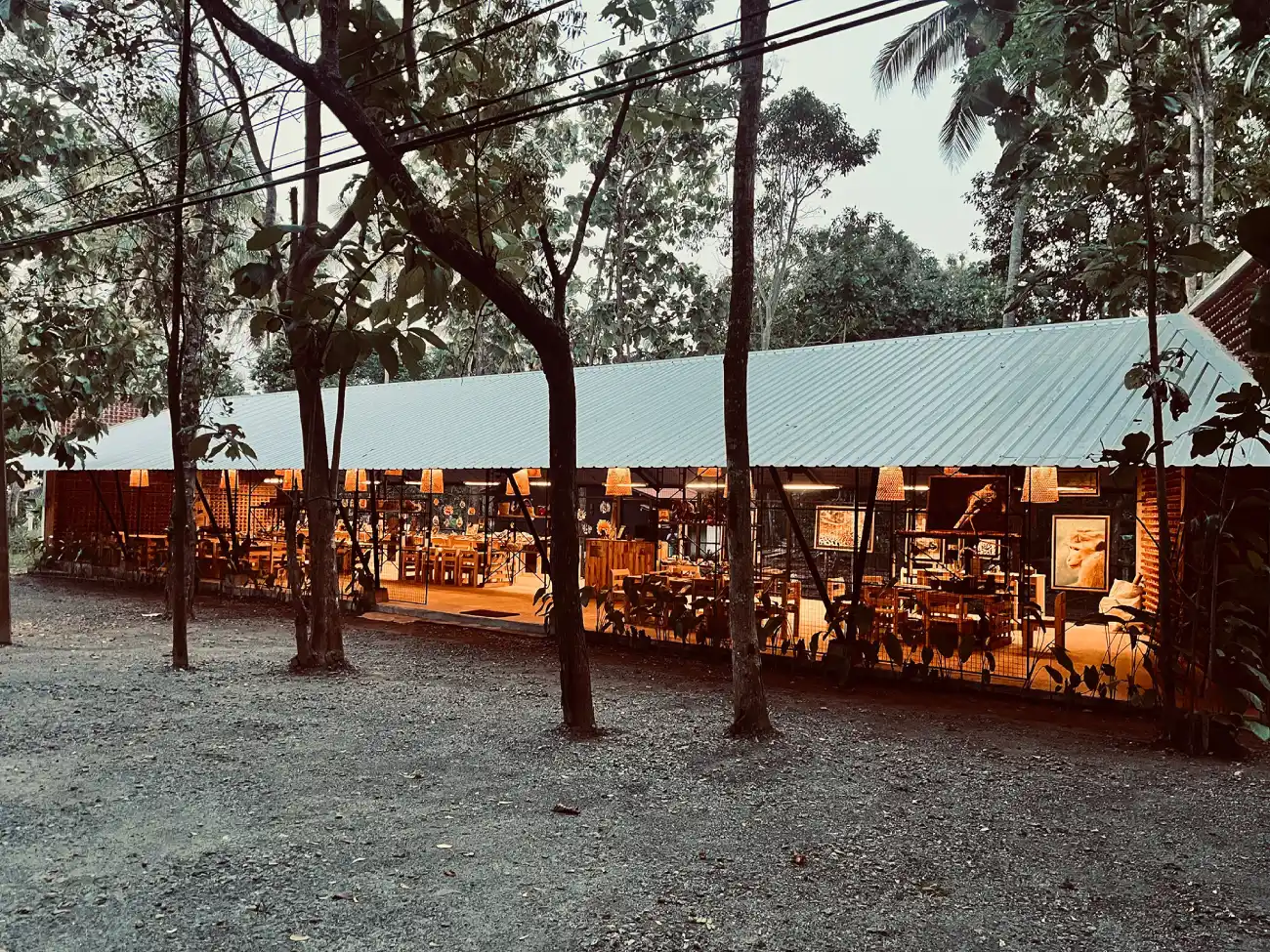
Sri Lanka has a plastic problem. Nishshanka de Silva, founder of the ZeroPlastic Movement, has a plan, though. Not only has he mobilized a volunteer crew of thousands to help clean up the country’s waterways, he’s now launched a new Impact Center in Sigiriya, empowering over 249 local artisans and promoting their plastic-free alternatives.
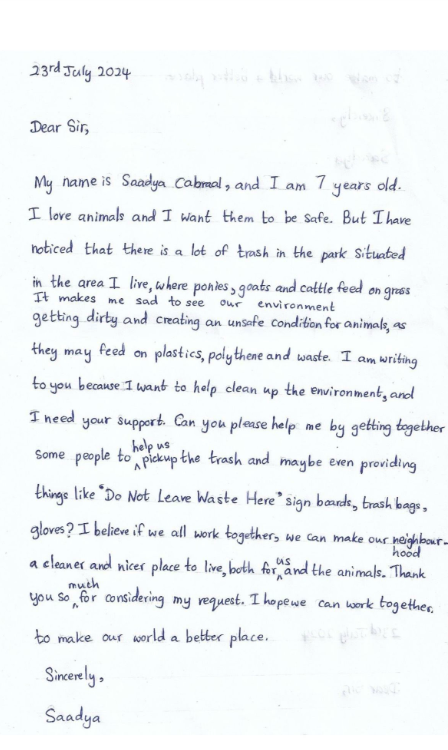
In July 2024, Nishshanka de Silva, founder of the ZeroPlastic Movement in Sri Lanka, received a letter.
“My name is Saadya, and I’m 7 years old. I love animals, and I want them to be safe,” the letter began. Saadya was worried about the local animals eating the plastic waste she’d noticed in the park across from her house. She had a simple request: “I am writing to you because I want to help clean up the environment, and I need your support. Can you please help me by getting together some people to help us pick up the trash?”
Considering that Nishshanka runs an organization that has mobilized over 150,000 volunteers in plastic clean-ups and recycling drives across the country, Saadya had come to the right place.
Sri Lanka has a plastic problem.

When plastic manufacturing became mainstream in the island country over 40 years ago, it not only flooded the beaches and waterways with plastic waste, but also pushed out local producers. Why purchase a handmade wooden broom when a plastic one is cheaper? No need to buy locally made pottery for the house if you can use plastic cups for less.
If that seems hard to believe after seeing the country’s incredible beaches and overwhelming nature reserves, Nishshanka shares a secret truth about the disconnect: “Most travel companies are hiding the plastic problem in Sri Lanka,” he says
Nishshanka has been leading the charge against plastic pollution in Sri Lanka since founding ZeroPlastic in 2021. The organization has pushed policy changes at the government level, educated communities about microplastics and recycling, and removed over 40 metric tons of plastic waste from the environment. They’ve educated nearly 2 million people on plastic pollution and have multiple strainers in local rivers, ensuring that rubbish from the waterways doesn’t end up in the ocean. Today, more than 12,000 members belong to ZeroPlastic clubs at every single university in the country.
And of course, Saadya got some help cleaning up the park across the street.
However, Nishshanka believes that preventing and removing plastic pollution isn’t enough; what about the local creators, artists, and handicraft makers? “Over 25,000 local SMEs are struggling to sell their products,” he says. “Especially wooden products and environmentally friendly or eco-friendly products.”
The ZeroPlastic team felt that this was an issue their organization was primed to address. “How can we build up this ecosystem, where our people buy locally made products?” Nishshanka wondered. “How can we ban products made from plastic so that these craftsmen have a market, and how can we connect these products to the tourism industry?”
The key thing that I want to bring to the tourists is to say, ‘Hey, look, when you buy anything in Sri Lanka, make sure that you buy something from the community.
Nishshanka de SilvaHis solution? The Impact Center by ZeroPlastic was born. Located in Sigiriya (near the famous UNESCO fortress) and launched in February 2026, the Impact Center houses the work of over 249 local craftsmen, allowing them to sell their products in the ZeroPlastic center. They also host craft workshops and experiences, where visitors can learn to make plastic-free alternatives, such as coconut shell bowls and eco-friendly jewelry (with pottery soon to follow).
There’s a molding machine where visitors can create their own masks using recycled heavy-duty plastics, known as PET bottles (PolyEthylene Terephthalate), which are more rigid and durable (you probably have some under your sink for cleaning products, such as bleach bottles or laundry detergent). They’ve even got a giant elephant trash bin made of recycled plastic bottles, and yes, trash gets thrown in via the mouth and stored in its belly until collection.
The impact here is twofold: raising awareness on plastic pollution and building an income stream for Sri Lankans. “Local craftsmen are getting paid for these experiences. So they get support, and their products are promoted to the same tourists,” Nishshanka explains.
“My initiative here aims to uplift local craftsmanship, a blend between the environment, culture, and community.”
ZeroPlastic partners with eco-conscious travel companies (such as Intrepid Travel, the world’s largest adventure travel B Corp certified company), offering tourists a way to learn more about Sri Lankan history and culture. Nishshanka points out a hidden issue for tourists to be aware of while traveling in the country: many of the handicrafts displayed at large stores are mass-produced by corporations. Oftentimes, little of that money goes back to locals. “One thing I want to do is develop pressure on the corporations and some travel operators. Most of the craft stores are millionaire-backed shops that don’t give back to the community,” he says.
“The key thing that I want to bring to the tourists is to say, ‘Hey, look, when you buy anything in Sri Lanka, make sure that you buy something from the community.’”
Tourism needs to be sustainable. Tourism is all about culture, community, and the environment.
Nishshanka de SilvaAlready, multiple buses a day arrive at the impact center with visitors (though Nishshanka assures us they have room for many more). What is it that he needs more of from the community and the international tourists they love interacting with, we ask? “We need more travel partners to sign up and send their tourists to our center, where they get the education about the plastic problem, and they support local craftsmanship.”
“Tourism needs to be sustainable. Tourism is all about culture, community, and the environment.”
And what about the young plastic-free crusader? Well, Saadya is now nine years old, has already visited the Impact Center, and dreams of becoming a sustainability leader.
“That’s exactly what we want to do, you know,” Nishshanka says. “Get the young generation into this particular cause that we are all fighting for.”
